



Ergonomics with impact: How LIPA and Treston are building truly inclusive production workstations

A shortage of skilled people, high quality standards and a desire to open up meaningful roles for colleagues with physical limitations — LIPA Lichtpartner GmbH set out to solve several challenges at once. The solution: a highly ergonomic workstation concept from Treston, designed for unique needs.
A business that is breaking new ground
Founded in 2018 in Dornburg, LIPA Lichtpartner GmbH develops and delivers energy-efficient lighting concepts. In manufacturing, precision and reliability are essential — every movement and every step in the process must be right. Like many manufacturing factories, LIPA also feels the pressure of a growing shortage of skilled workers.
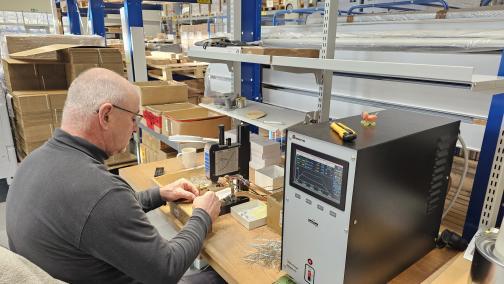
Rather than relying solely on the traditional labour market, Managing Director Christian Kegler chose a different approach: deliberately bringing people with physical limitations into production. Not as a compromise, but as a strategic decision. The Integration Office of the Landeswohlfahrtsverband (LWV) Hessen supported the initiative with guidance and targeted funding.
The perfect moment to embed that vision into real work environment from the very beginning, not as a retrofit late, was when LIPA built its new site in 2021.
"For us, the decision was clear: we didn’t just want to tackle the skills shortage. We wanted to give people a real, long-term perspective at work,” says Christian Kegler, Managing Director of LIPA Lichtpartner.
Workstations that adapt to people—not the other way round
The requirements for the new workstations were clear: support high-precision manufacturing, adjust easily to a wide range of physical needs, and keep production safe and stable over the long term. Ergonomics could not come at the expense of productivity, making the choice of partner critical.
What LIPA needed was a robust modular solution. One that could adjust for different individual requirements and scale at any point as requirements evolve.
"Our goal was to create a solution that meets both ergonomic needs and supports production processes, while offering flexibility to grow with the company over the long term,” says Martin Wetzler, Project Lead at Treston Germany, who implemented the project with LIPA.
Modular Treston workstations, tailored to individual needs
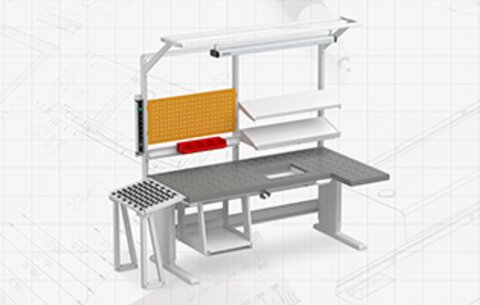
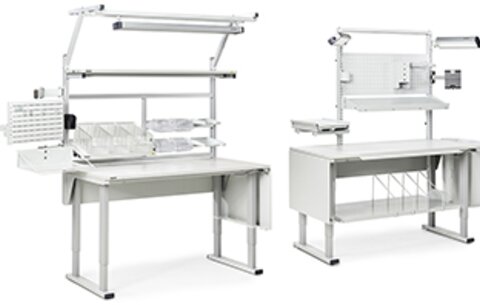
Working with Treston, LIPA created a workstation set-up that combines flexibility and function. At the heart of the solution is the electrically height-adjustable Treston Concept workbench, which allows each station to be set precisely for the individual in seconds, whether seated or standing, with or without physical limitations.
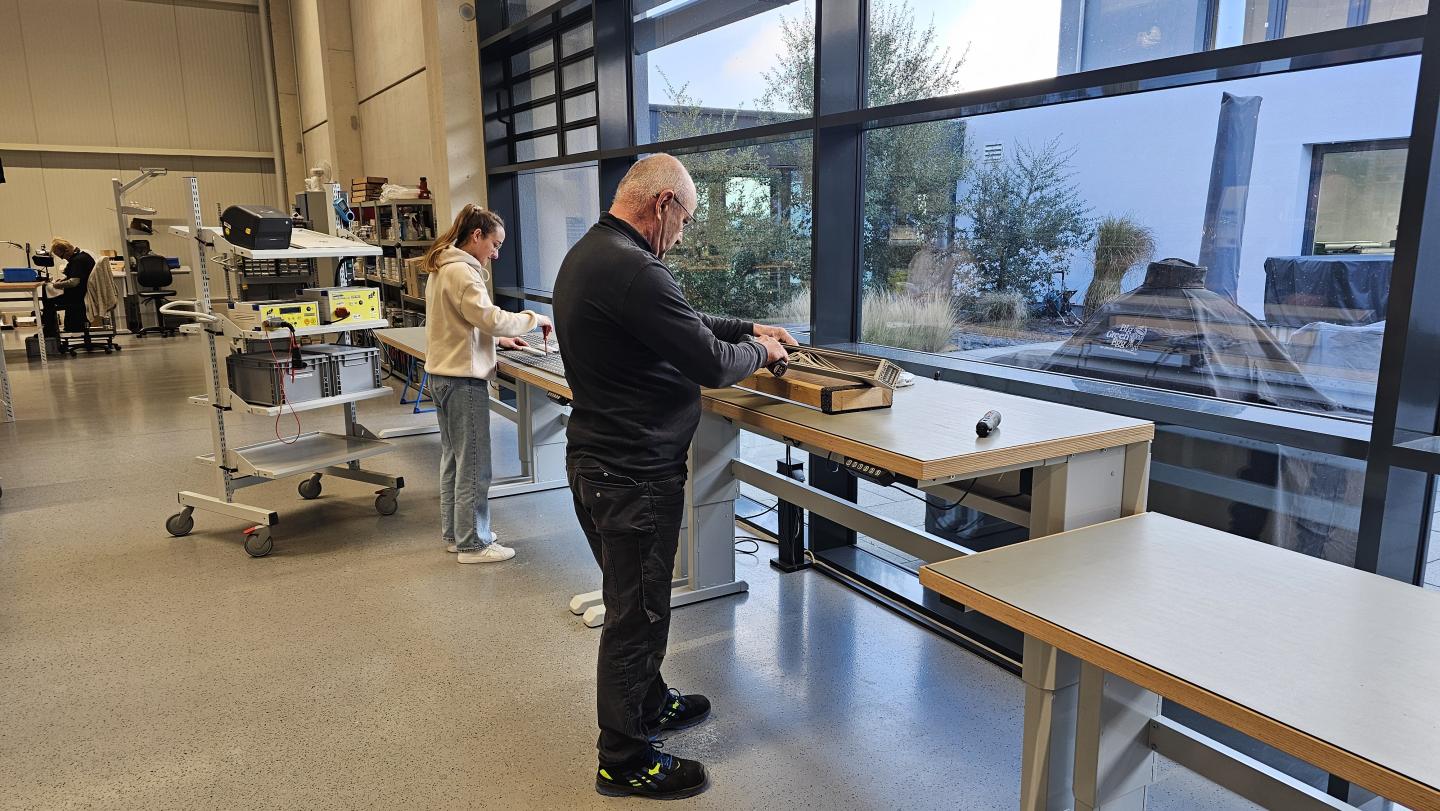
Each workbench is complemented by a carefully selected range of accessories, supporting functionality, safety, and organised working.
- Concept workbench with electric height adjustment
- Workstation-integrated power rails
- ESD mats to improve handling of electrostatic safety
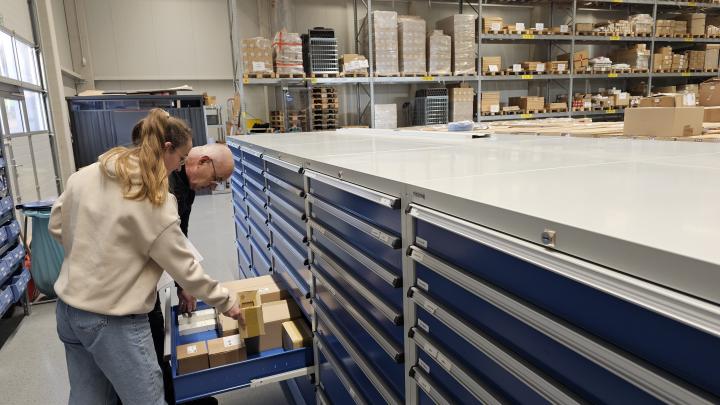
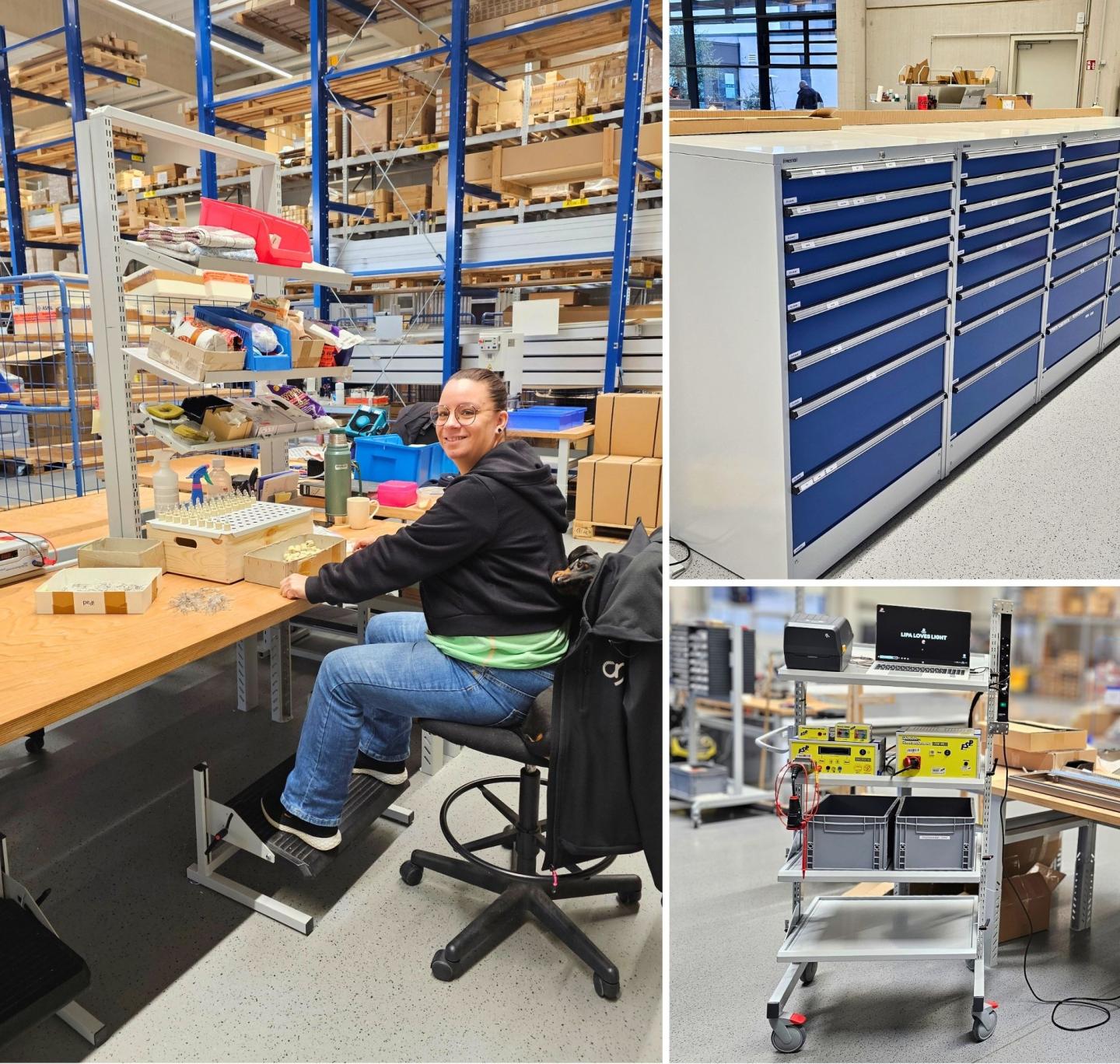
- Drawer units for ergonomic storage of tools and materials
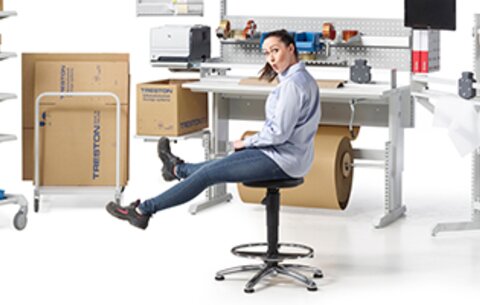
- Ergonomic work chairs
The result is a well-unified system that not only meets ergonomic requirements but also satisfies the high quality and precision standards in lighting manufacturing. Each workstation can be configured independently of the others, creating individual solutions within a unified framework. Here, ergonomics and efficiency don’t compete; they complement each other.
We received consultation on workstations that adapt to employees’ health needs and that was exactly aligned with our requirements. From the very beginning, working with Mr Wetzler was collaborative and solution-oriented. Katharina Burbach, LIPA Lichtpartner.
Stable production, satisfied employees — A model others can follow
At LIPA, these modular, tailored workstations deliver exactly what they were designed to do: enable people with different physical capabilities to take a lasting, equal place in the production process. Low-strain workflows, safe working conditions and the ability to reconfigure each station at any time create a set-up where people can perform for the long term—and feel good doing it.
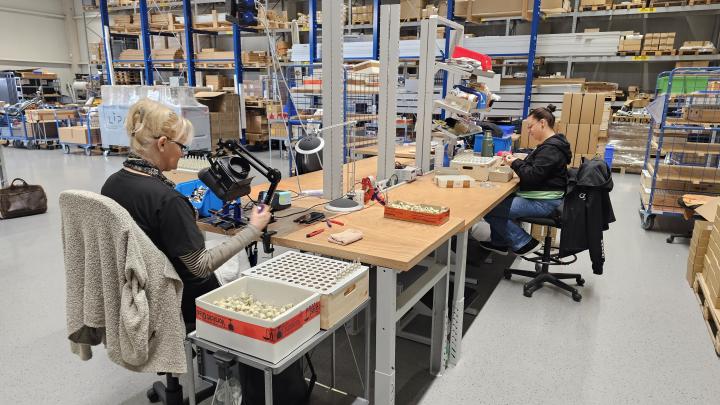
Production output remains consistent — an essential factor for a company that depends on maximum precision. Ergonomics and efficiency do not contradict each other here, they strengthen one another.
The project also underlines a key point: commercial success and social responsibility can go hand in hand. When workstations are designed around the people who use them, the benefits show up across the board, as higher employee satisfaction, consistent quality of production and an attractive employer brand.
Conclusion
LIPA’s story highlights the value of taking ergonomics seriously. With Treston’s modular work systems, it is possible to meet commercial requirements while responding to individual needs, strengthening not only processes, but people too.
Products Provided for this customer


Drawer unit 90
A sturdy, 900 mm wide drawer unit. Two height options, several drawer combinations. Drawer max load 200/75 kg. Easy to move.

Treston Industrial Multi trolley
A solid trolley that can withstand heavy loads but can also be effortlessly moved around. Also serves as an ergonomic workstation

Treston Ergo
A highly adjustable, ergonomic chair model for assembly work, workshops, and production areas. Also available with ESD protection.
More customer stories

“I could see that Treston was genuinely interested in understanding my needs.”
Françoise Thiel - Project Manager, Thales
Read customer story

Treston has provided us the perfect solution for assembly halls and cleanrooms.
Gregor Kaminski, Production Manager at Schwarzer Precision
Read customer story

Treston QuatreX workbenches made our team more comfortable and helped streamline our operations.
Sofia Salmi, CEO Pihka Collection
Read customer story

Thanks to adaptable solutions the throughput time at goods receipt reduced from three weeks to two days.
Thomas Janker, Head of Purchasing, Sport Conrad
Read customer story

With the workshop workbenches, the work ergonomics of the employees has clearly improved
Tapio Roiha, CEO, Cycli
Read customer story

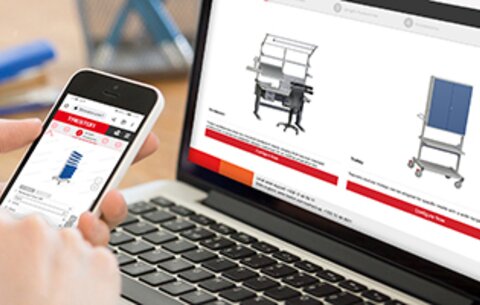
The configurator is very user-friendly, allowing us to quickly design workstations that meet our requirements.
Tristan Bonnier, Production Manager at Deltacab
Read customer story

With Treston’s solutions, we now have the ability to swiftly convert benches from one task to another
Catarina Nascimento, Special Projects Manager
Read customer story
